At the COP17 biodiversity summit, representatives of governments from around the world will review previous agreements made to protect nature and biodiversity.
Most people have heard of the climate COP, the annual summit where countries gather to discuss and agree on goals for addressing the climate crisis. The climate summit has a counterpart that focuses on another equally urgent crisis: the biodiversity crisis.
Today marks the start of COP17, the conference on biodiversity. It is a gathering where progress toward global goals is assessed – goals aimed at curbing the ongoing biodiversity crisis, also known as the sixth mass extinction.
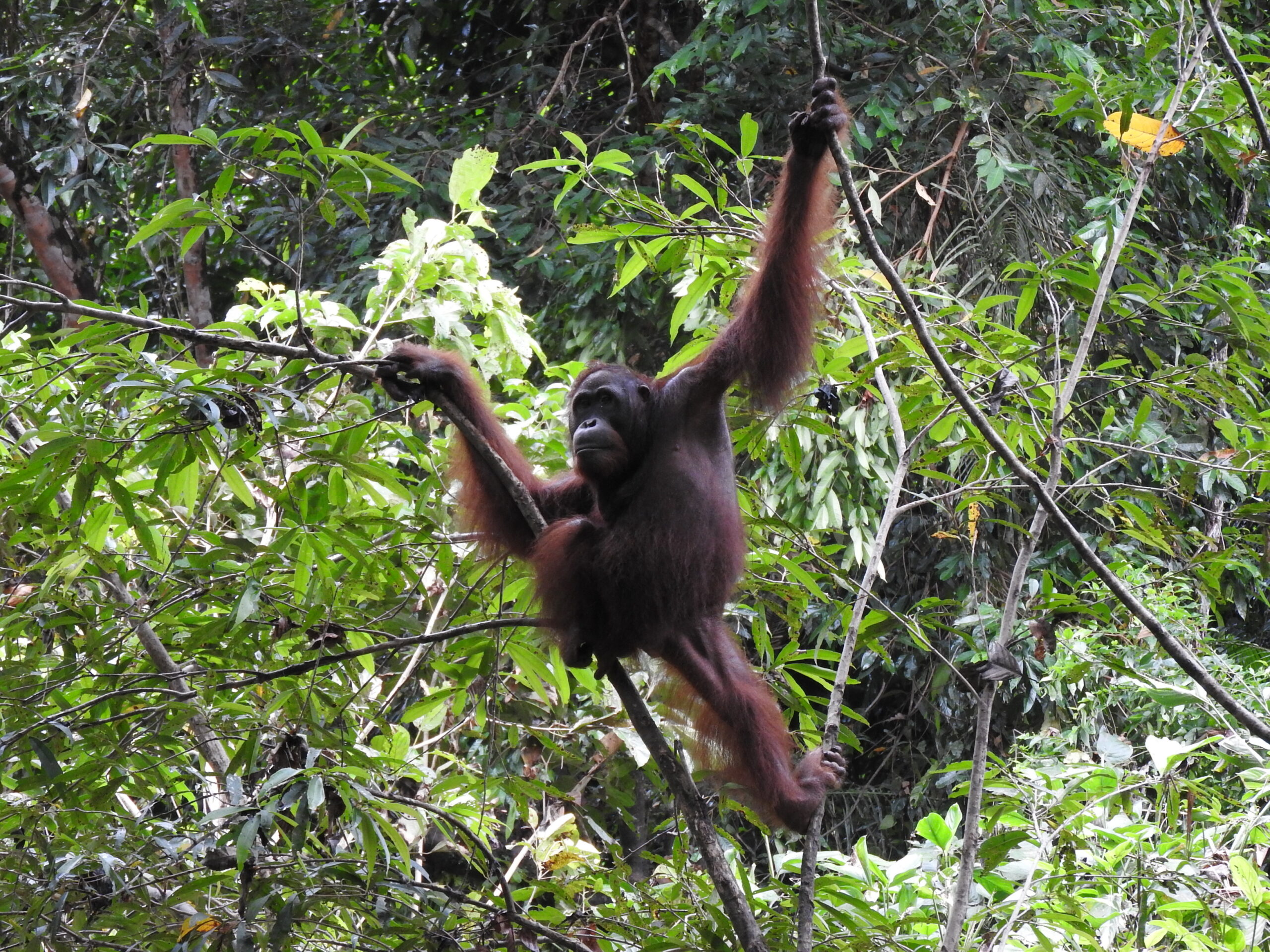
“Biodiversity is, of course, an incredibly important issue for us. It encompasses the variety of life on Earth and the interactions between organisms within ecosystems. Up to a million species are threatened with extinction, including the orangutan, and vital ecosystems are at risk of collapse,” says Marie Sigvardt, Director of Save the Orangutan, adding:
“What is done for biodiversity at the political level, and whether the necessary funding is secured to turn these goals into action, is of great significance. That is why we are following COP17.”
A long way to go to reach the goals
The latest global framework for biodiversity dates from 2022 and the progress now requires evaluation. One of the agreement’s goals is to restore 30% of the world’s degraded ecosystems by 2030. Another is to protect 30% of the world’s land and marine areas. These goals are of immense importance to the orangutan and other species, as their survival depends on interconnected forests and ecosystems.
The ongoing forest fires on Borneo clearly demonstrate nature’s vulnerability. Protecting forest areas serves as a preventive measure against fires, and, conversely, these fires are one of the reasons why vast forest areas now require restoration.
Read also: Borneo is battling the worst fires in 11 years – and things could get much worse
At COP17, there is a particular focus on implementation and financing – in short, turning these goals into action. While some progress is being made on national biodiversity initiatives, it is not happening quickly enough to actually achieve what all the cosigner nations have pledged.
“Naturally, we hope that the meeting leads to more effective implementation, funding that reaches local initiatives, and, not least, concrete protection of nature and habitats to safeguard wild animal populations. It is also crucial that local communities and Indigenous peoples are involved and have a say, and that their rights regarding forest management are upheld,” explains Marie Sigvardt.