With a grant from the Swedish International Development Cooperation Agency (Sida), Save the Orangutan can now strengthen its efforts to secure indigenous peoples’ rights and enable local communities to protect and manage the forests they have depended on and cared for over generations.
Together with the Dayak Ngaju communities and our local partner, Yayasan Borneo Nature Indonesia, Save the Orangutan will over the next three years work to secure customary rights to 9,150 hectares of forest in Central Kalimantan and develop sustainable livelihoods that benefit both people and nature.
The Rungan-Kahayan landscape in Central Kalimantan, Borneo, stretches across the river basins of the Rungan and Kahayan rivers. It is home to around 8,200 Dayak Ngaju people and other indigenous communities.
For generations, the communities have depended on the forest for food, livelihoods and freshwater. The forests are also deeply woven into their cultural and spiritual identity. Furthermore, as one of the world’s most important tropical rainforest ecosystems, the forests harbour remarkable biodiversity, including the critically endangered Bornean orangutan.
“Yet, despite years of sustainable stewardship, the customary land rights of many indigenous communities remain largely unrecognised,” Head of Program at Save the Orangutan, Arafa Khatib, explains,
“This project builds on the knowledge, practices and stewardship these communities have sustained for generations, while responding to the growing pressure on their forests. As palm oil, logging and mining expand, forests are being degraded, communities marginalised and the land and resources they depend on are increasingly under threat”.
Putting communities at the centre
At the heart of this new collaborative project is a simple principle: Protecting unique forests and securing a sustainable future for indigenous communities goes hand in hand. That is why local communities must be at the centre of decisions about their forests.
With baseline work and the first so-called FPIC sessions now underway, the project has taken its first important steps towards putting this principle into practice.
FPIC, Free, Prior and Informed Consent, is a fundamental principle when projects affect indigenous peoples, their land, resources and way of life.
In practice, it means making sure that people have clear and accessible information about the project and its potential impact on their lives and communities. They are given time to ask questions, raise concerns and share perspectives. Based on this, people can decide whether and how they wish to participate.
“These first steps are important in building the trust, knowledge and local ownership needed for stronger community-led forest management – and, ultimately, greater recognition of indigenous rights”, says Guruh Pranowo, Rungan Programme Manager at Yayasan Borneo Nature Indonesia.
Protecting forests by strengthening rights
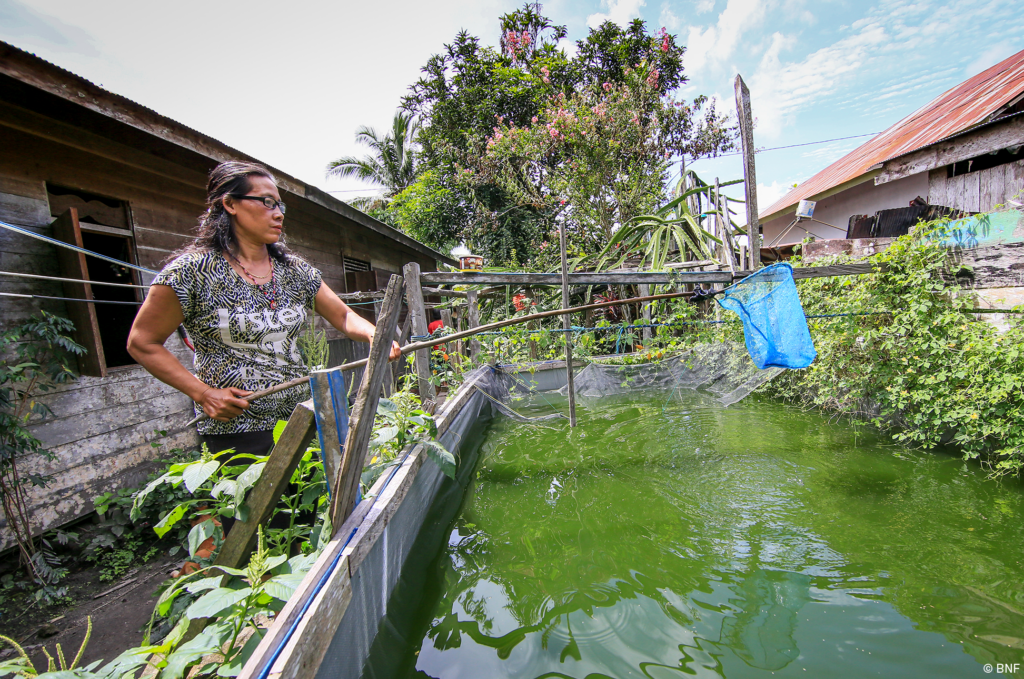
The project will ultimately include seven indigenous communities, directly involving around 1000 individuals living in remote forest areas. It aims to secure legal rights to 9,150 hectares of customary forest, to strengthen forest management and develop sustainable, climate-resilient livelihoods – from agroforestry and aquaculture (fishing) to honey production and ecotourism.
The project will also support the development and implementation of 35-year forest management plans, co-created with indigenous representatives, government authorities and private-sector actors.
By strengthening communities’ rights and ability to manage their forests, the project aims to reduce forest loss while safeguarding livelihoods, biodiversity and the forests themselves for generations to come.
Strong partnerships
Being the first time to receive financial support from Sida, the project marks an important opportunity for Save the Orangutan to drive lasting change with a trusted partner.
“We are very grateful to Sida for this opportunity to create meaningful, long-term impact in the Rungan-Kahayan landscape together with the Dayak communities and our long-standing partner, Yayasan Borneo Nature Indonesia”, says Secretary General of Save the Orangutan, Marie Sigvardt, adding,
“With nearly 25 years of experience in forest conservation and community engagement in Central Kalimantan, Yayasan Borneo Nature Indonesia has deep roots in the region. They hold a long-standing presence and strong legitimacy among the Dayak Ngaju communities.”