An unusually strong variant of the weather phenomenon El Niño is developing and could hit Borneo’s rainforest with serious consequences before the end of the year. Save the Orangutan is therefore placing particular emphasis on being prepared for a severe forest fire season.
Several climate scientists are warning that an especially powerful El Niño event is expected in 2026. As one of the world’s most extreme weather phenomena, El Niño will affect weather and climate across the globe, more drastically in some regions than in others.
For Borneo, one of the world’s most climate-vulnerable regions, this could mean a catastrophic year marked by extreme drought, widespread and destructive forest fires and significant health impacts and loss of life among both people and wildlife. The after-effects of the 2015 super El Niño are still felt by many.
Preparation for extreme weather events is therefore becoming an integral part of efforts to protect the rainforest and the people and animals who depend on it, including orangutans.
“There is an increased focus on fire preparedness across all our work due to El Niño. Our partners tell us that climate change is making fires more unpredictable, while El Niño events are also occurring more frequently than in the past,” says Arafa Khatib, Programme Director at Save the Orangutan.
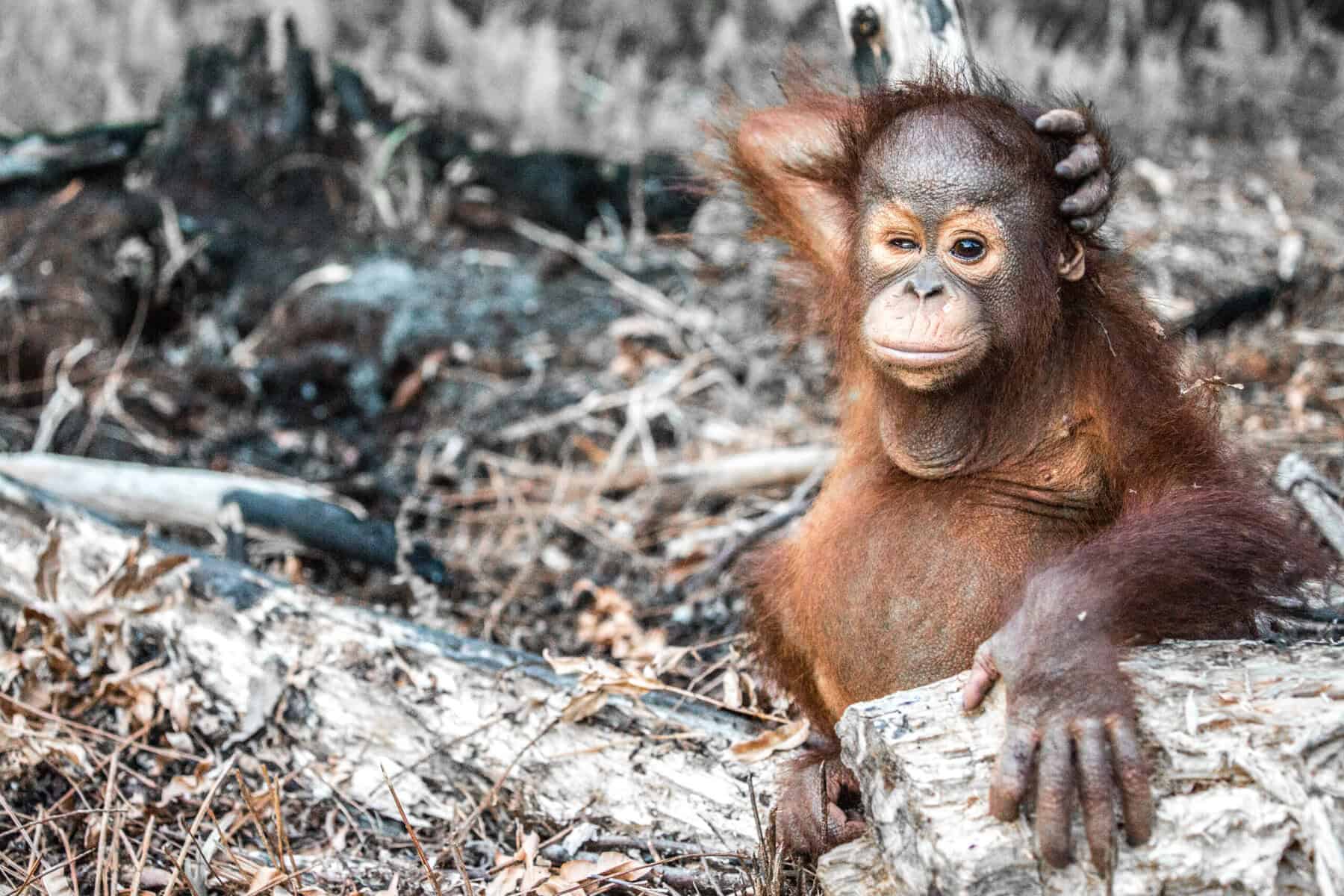
A natural phenomenon with amplified consequences
El Niño typically occurs every 2–7 years, but in combination with decades of deforestation and drainage of peatlands, its impacts on Borneo have become far more severe.
When the island was hit by a so-called “super El Niño” in 2015, the consequences were dramatic: extreme drought, extensive peat fires and hazardous smoke affecting both people and wildlife. During September–October 2015, the fires released more carbon dioxide each day than both the EU and the United States. This temporarily made Indonesia one of the world’s largest emitters (Huijnen et al., 2016, Nature Communications).
Particularly critical are the island’s peat swamp forests. The waterlogged soil normally acts as one of the world’s largest and most effective carbon stores. However, when it dries out, the risk of fire increases significantly, turning what was once a vast carbon sink built up over decades or centuries into a ticking carbon bomb.
Once a fire takes hold, it is extremely difficult to control. Due to the depth of the peat layers, fires can burn several metres underground for weeks or even months, spreading unseen to surrounding forest areas.
“In addition to the immense loss of invaluable forest, the smoke leads to prolonged periods of severe air pollution. This affects both the health of local communities and wildlife and makes daily life unpredictable, with limited opportunities to work, farm and carry out everyday activities,” explains Arafa Khatib.
Intensifying fire response is essential
For many years, Save the Orangutan has worked to address forest fires as one of the greatest threats to people and biodiversity on Borneo. With El Niño approaching, fire patrols and training in local fire response are now being intensified across our projects. According to Arafa Khatib, this is “absolutely essential” in an El Niño year like this one.
In our Danida-funded project, which focuses on generating income for local communities through the protection of carbon stocks in peat forests, patrols and fire response are currently central components. In our climate adaptation projects, funded through CISU’s “Climate Change Adaptation Modality”, we are also able to allocate additional resources to preventive measures.
Read also: Frontline Defenders: How Borneo’s Communities are Combating Climate and Fire Risks
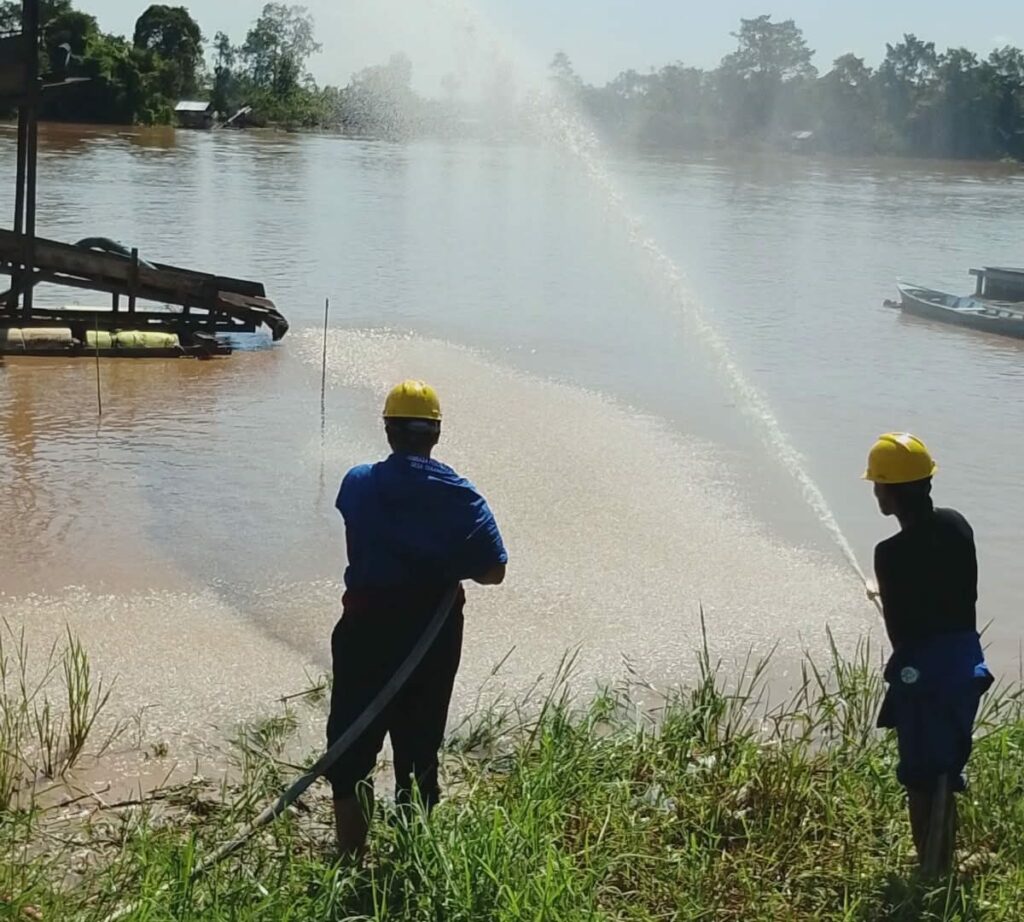
Fire patrols in place
As part of these projects, fire patrols have been established in collaboration with several local villages. During dry periods, they conduct daily patrols to detect fires as early as possible and extinguish them in time. The patrols are supported by satellite-based monitoring via NASA’s FIRMS system (Fire Information for Resource Management System), which provides data on heat anomalies in and around forest areas. This enables rapid response in remote locations, where patrol teams navigate primarily by small boats through canal networks.
The increased focus on fire prevention also includes refresher training for patrol teams and systematic checks of equipment that may have deteriorated due to Borneo’s hot and humid climate.
Although the season is still at an early stage, the fire patrols working with Save the Orangutan have already had to extinguish a forest fire that was approaching a village forest. It is expected to be the first of many, and both we and our partners stand ready.